Low-carbohydrate diets reduce the amount of carbohydrate consumed compared with many conventional eating patterns. Because carbohydrates are a major source of glucose, reducing them can change how the body obtains and uses energy.
What Happens to Blood Glucose?
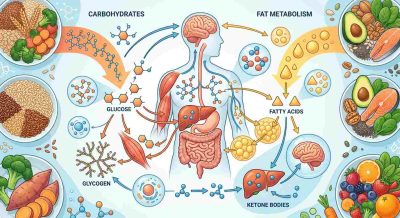
After carbohydrate-containing foods are digested, many carbohydrates are converted into glucose. The body uses glucose for energy, and insulin helps regulate the movement of glucose from the bloodstream into cells. When carbohydrate intake is significantly reduced, blood glucose generally receives less dietary input. The body can respond by using stored glycogen and increasing its reliance on fat as an energy source.
What Is Ketosis?
Very low-carbohydrate diets may cause the liver to produce ketone bodies from fatty acids. This metabolic state is called ketosis. Nutritional ketosis is different from diabetic ketoacidosis, a dangerous medical condition associated primarily with insufficient insulin and certain forms of diabetes. The two processes should not be confused.
The Importance of Food Quality
Reducing carbohydrates does not automatically make a diet nutritionally balanced. A low-carbohydrate eating pattern can include vegetables, fish, eggs, lean meats, nuts, seeds, and other nutrient-rich foods.
It can also become heavily dependent on foods high in saturated fat or low in fiber if choices are not carefully considered.
Fiber deserves particular attention because many fiber-rich foods contain carbohydrates. Vegetables, legumes, nuts, seeds, and selected whole foods can help provide dietary fiber.
Individual Responses Vary
 People can respond differently to dietary changes. Factors such as medications, physical activity, age, pregnancy, diabetes, kidney disease, and other health conditions can affect nutritional needs. Anyone using a therapeutic low-carbohydrate diet for a medical condition should discuss major dietary changes with a qualified healthcare professional.
Conclusion
Lowering carbohydrate intake can change the body’s fuel use and, at sufficiently low levels, increase ketone production. However, the nutritional quality of the overall diet remains important. A sustainable eating pattern should provide adequate nutrients rather than focusing on one macronutrient alone.